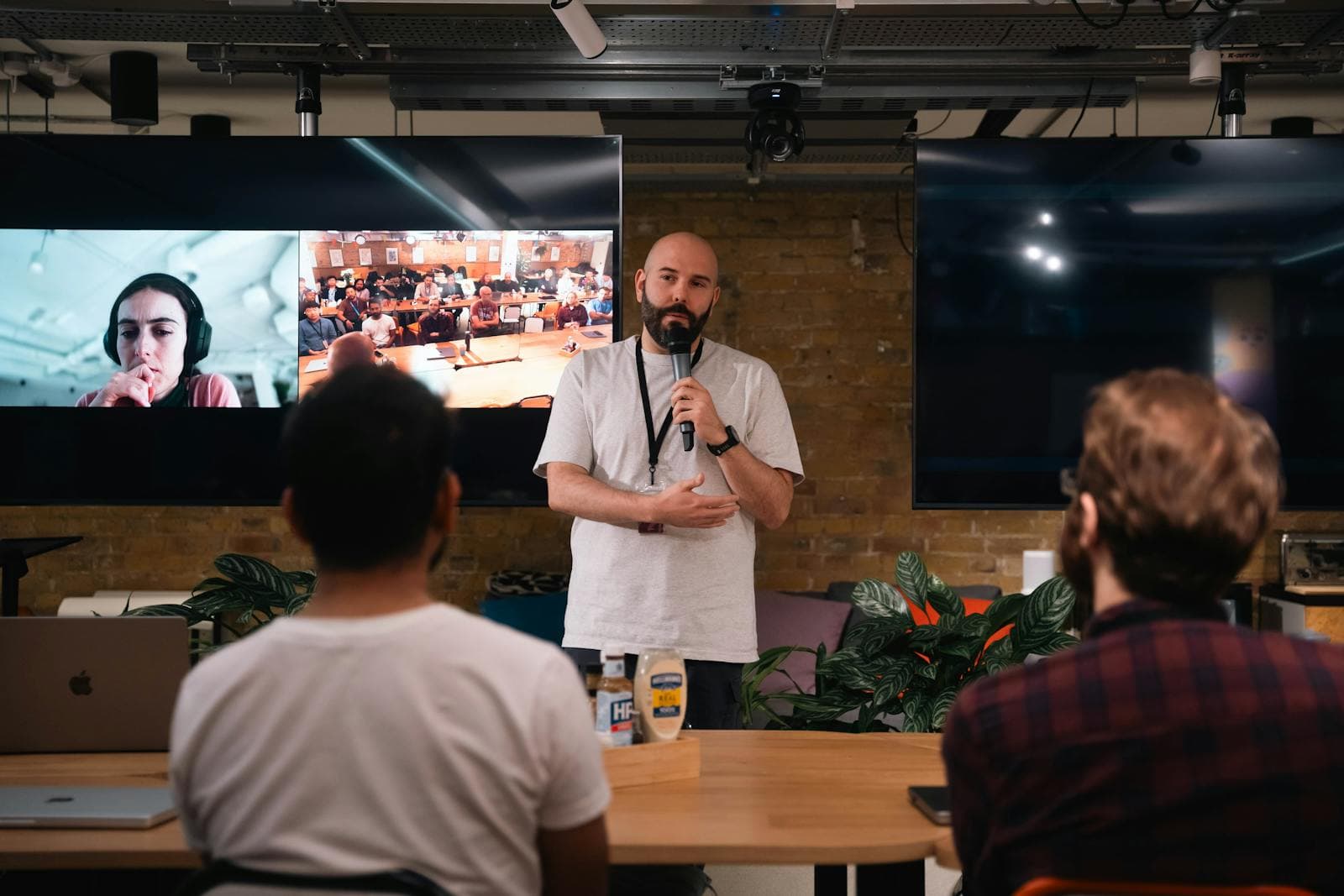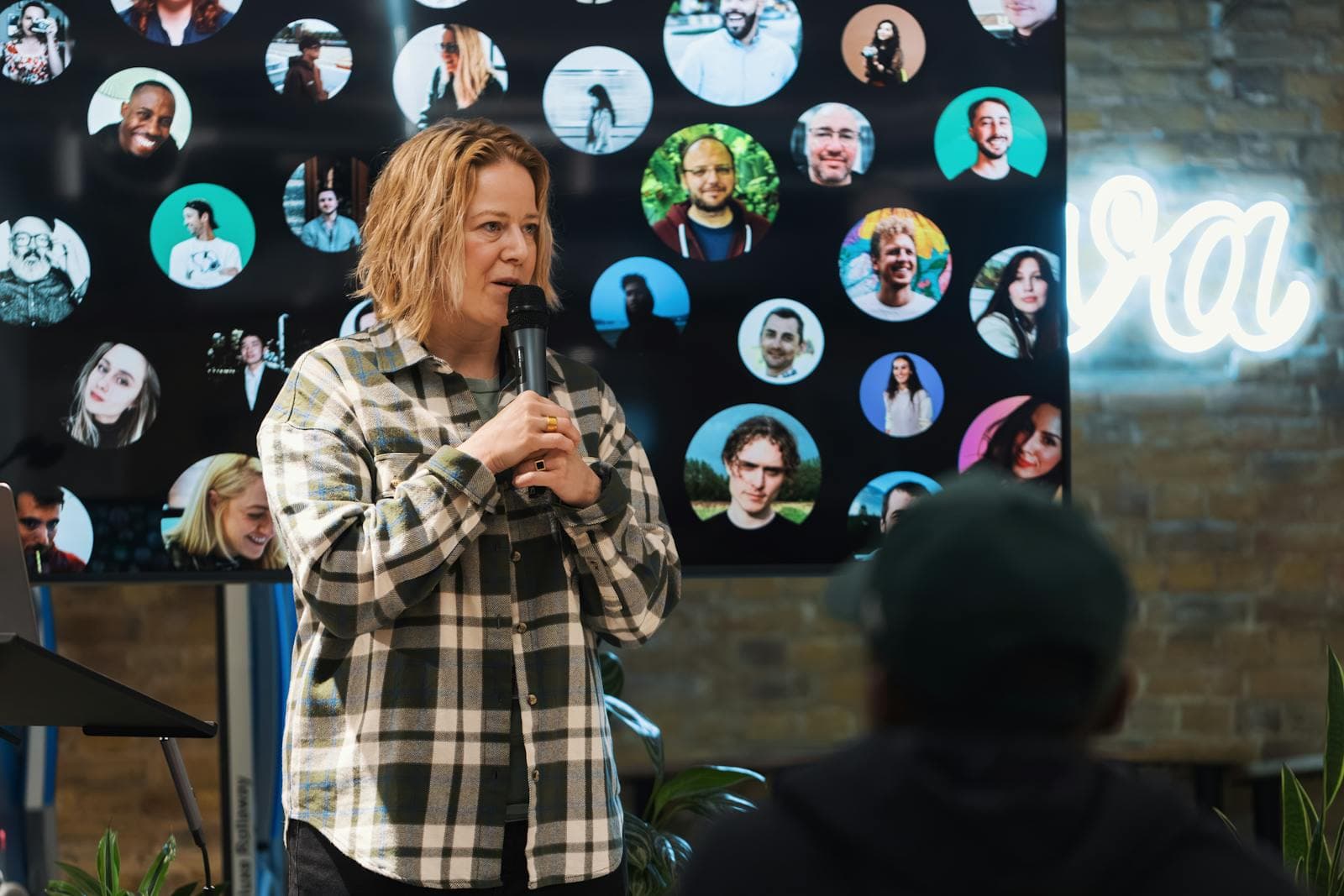
Technical forums matter because they reveal what experts are willing to put under peer scrutiny. Marketing can say almost anything. A serious symposium agenda usually cannot. When we read the current pultrusion forum landscape, especially the 2026 Fraunhofer IWU symposium and the North American conference cycle around ACMA and EPTA, four themes stand out clearly.
1. Simulation-based development has moved to the center
Fraunhofer IWU is explicit about this. Its June 16 to 17, 2026 pultrusion symposium highlights sustainable material concepts and simulation-based development approaches as the themes shaping the future of pultrusion. Its public service portfolio goes further, listing structural engineering, component simulation, impregnation and curing simulation, distortion analysis, tool design, process development, and quality monitoring. That is a major signal. The industry is trying to shorten the old trial-and-error loop between concept, die, process window, and qualified part.
2. Materials innovation is getting more practical
The 2026 symposium program is not theoretical in the abstract. It includes sessions on Proxxima resin systems, flame-retarded epoxy pultrusion, circular glass fibers, natural-fiber profiles, facade applications, and thermoplastic pultruded window profiles. That mix is important. It suggests that the frontier is not one single miracle material. The frontier is a broader process-material toolbox that can be matched to fire, sustainability, weight, cost, and application constraints more intelligently.
3. Digital tools are finally entering the live conversation
One of the most interesting details in the Fraunhofer program is the inclusion of fibclick's Pultrusion Designer as a practical digitalization topic. The same pattern appears in the wider ecosystem through PulCalc, which is explicitly built around ASCE 74 design practice. This matters because pultrusion has often suffered from a translation problem. Good manufacturing knowledge exists, but it has not always been easy to turn that knowledge into a repeatable design and approval workflow. Digital tools are now targeting that exact gap.
4. Sustainability and market intelligence now sit inside technical agendas
The EuCIA program preview for the North American Pultrusion Conference in Chicago on May 6 to 8, 2025 made that trend very visible. Circularity, market trends, production insights, recycling advances, and LCA data were all positioned inside a technical conference environment. That tells us sustainability is no longer being handled as a separate communications topic. It is now part of how the technical community understands future competitiveness.
What These Forums Are Really Saying
Taken together, these forums say the industry is trying to become less empirical and more engineered. It wants faster design iteration, better process predictability, stronger documentation, and new material pathways that solve real commercial constraints. That is what mature industries do when they move from capability to scale.
For manufacturers, the implication is clear. Relying on inherited shop know-how alone will become less defensible. The stronger position is to combine process experience with simulation, quality data, and practical design support. For buyers and engineers, the implication is also clear. Suppliers should increasingly be judged by how effectively they can turn technical knowledge into a shorter qualification path.
At F1 Composite, we pay close attention to technical forums because they reveal where tomorrow's customer expectations are being formed today. In 2026, those expectations are rising in a very specific direction: less trial-and-error, more engineering discipline, and faster translation from idea to approved pultruded solution.