International exhibitions are noisy, expensive, and often overloaded with marketing language. They are still useful. A large trade event forces companies to choose what they want the market to notice. That makes exhibitions one of the fastest ways to read industry direction. In 2026, JEC World and CAMX point to the same broad conclusion: pultrusion is becoming more solution-led, more technical in public, and more deeply connected to the wider composites value chain.
1. JEC remains the global demand radar
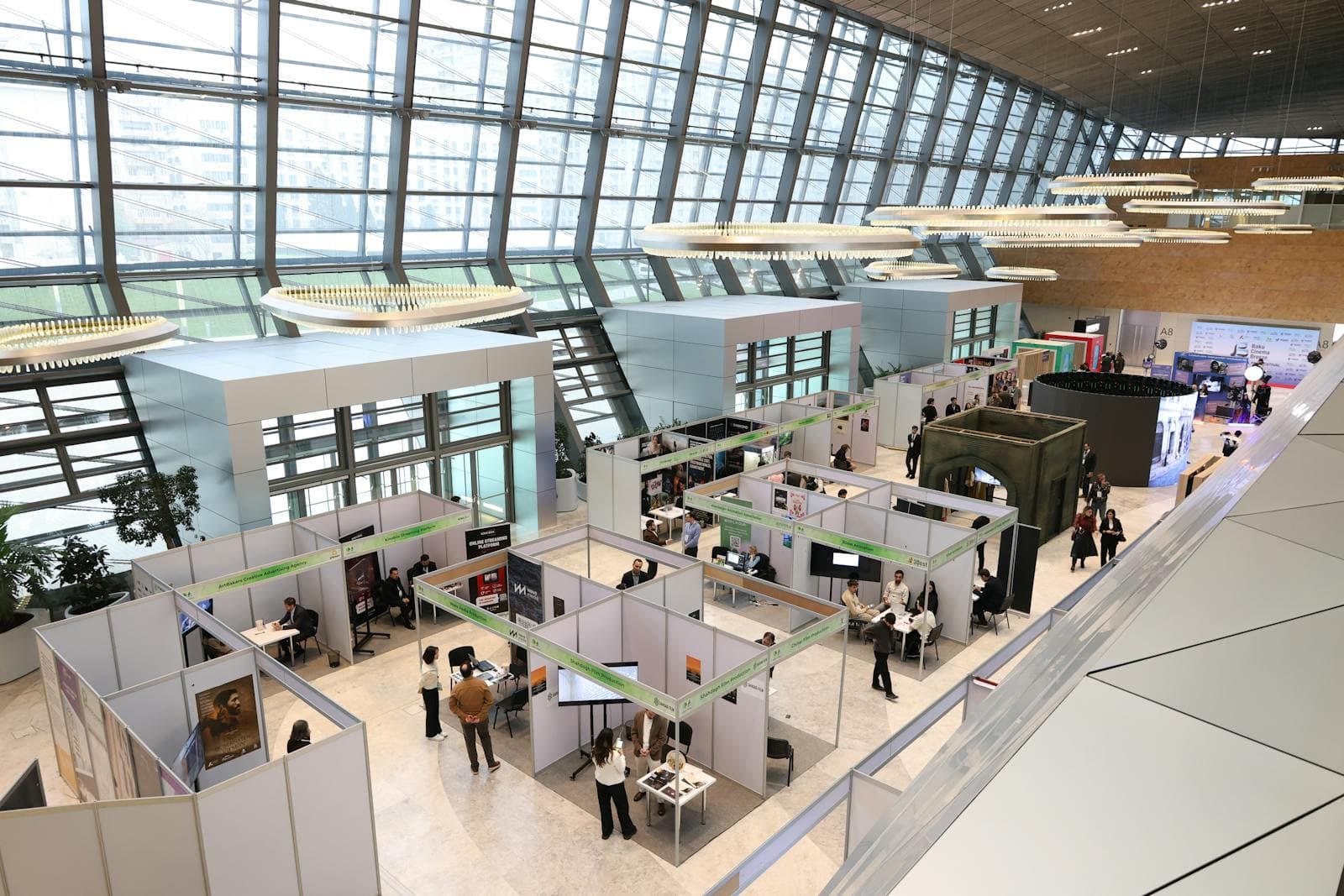
JEC World continues to describe itself as the leading international exhibition dedicated to composites and their applications, and its 2026 program structure supports that claim. The event is not only booths. It includes business meetings, innovation platforms, research projects, technical sessions, and cross-sector networking. The official exhibitor profile also shows how the market is mixing raw materials, equipment, composite part manufacturing, and service providers into one ecosystem. That matters for pultrusion because growth increasingly comes from system integration, not isolated profile supply.
2. CAMX still concentrates North American commercial gravity
CAMX 2026, scheduled for September 21 to 24, 2026 in Atlanta, remains the largest and most comprehensive composites and advanced materials event in North America. Its structure is revealing. The conference begins before the exhibition, tutorials run early, and the event pairs an exhibit hall with formal education, CEO forums, awards, and complimentary tracks. That tells us North America still values the combination of manufacturing pragmatism and technical learning in one venue.
3. Pultrusion gets more attention when it is attached to market outcomes
The strongest exhibition messaging in pultrusion is rarely about the process in isolation. Exel's JEC World 2026 participation is a good example. Its public message is built around continuous composite manufacturing for high-volume, performance-critical sectors such as wind power, transportation, buildings and infrastructure, electrical and power transmission, and unmanned aerial vehicles. That is smart positioning. It turns pultrusion from a manufacturing term into an answer to industry-specific performance problems.
4. What the exhibition floor should make you watch for
The most useful signals at JEC and CAMX are not always the biggest booths. Watch for companies that can connect profile supply to design codes, EPD logic, automation, secondary processing, and qualification support. Watch for how often thermoplastic pultrusion, pull-winding, hybrid structures, or digital design tools appear in live conversations. Watch which sectors keep showing up around pultrusion instead of merely passing by it.
These details matter because they show whether pultrusion is being treated as a niche process or as a scalable manufacturing platform. In 2026, the stronger evidence points toward the second view.
At F1 Composite, we treat international exhibitions as a calibration tool. They help separate broad industry noise from the specific patterns that will affect customer projects next: which sectors are leaning in, which documentation themes keep returning, and which technologies are becoming mainstream enough to matter in real quotations.